| Country of origin | Germany |
| Type | Family business |
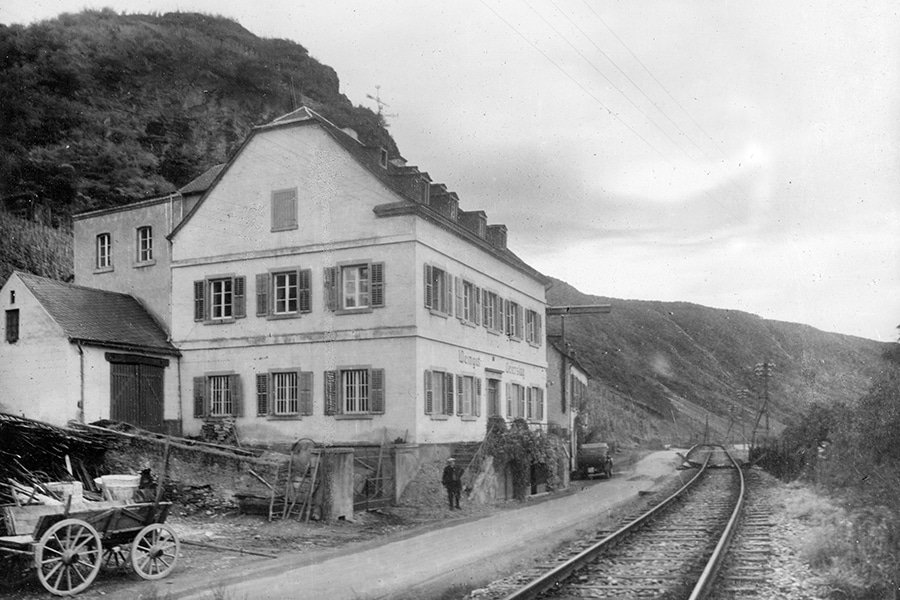
| Since | 1465 |
| Surface area | 3 hectare |
| Production | 10.000 bottles per year |
| Oenologist | Max Kilburg |
| Agriculture | Conventional |
Max Kilburg
A young winemaker taking over the centuries-old family winery in the Mosel: that sounds like he’s stepping into a made bed. But when Max Kilburg, after studying viticulture at the University of Geisenheim and completing various internships around the world, went to work for his father at Weingut Geierslay in Wintrich, a classic generational conflict arose. Max wanted to do things radically differently. My father cultivated wine in the way that has been done in this region for a long time. He also made the wines in the traditional, conventional way and had, for example, sold the steepest vineyards because they are difficult to work. ‘I was inspired by Julian Haart and wanted to make wine in the most natural way possible. A bit wilder.’ His father declared him crazy.
In the meantime, the ‘old’ Kilburg has completely changed his mind and is undoubtedly proud of his son. He officially took over the company in 2016 and now makes all the wines from the estate. Because his father’s wines are still popular with customers in the area, Max decided to continue making them for the time being and at the same time to set up his own label, for a different target group. Under his own name, he now produces, among other things, crystal-clear, high-quality Riesling.
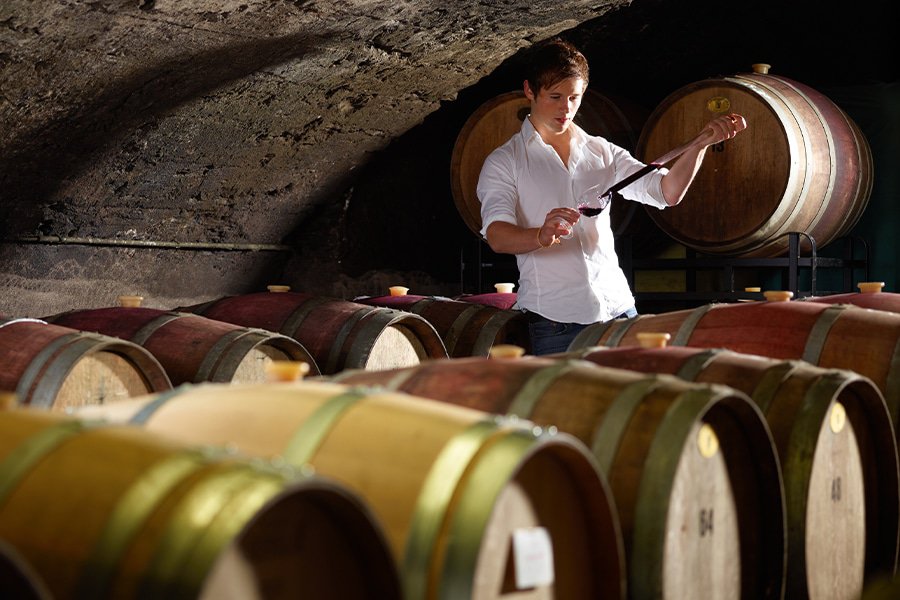
What Max wants is wine that is made as naturally as possible, with a minimum of intervention. The must is cooled in the medieval cellar of Geierslay, where a constant temperature of 13 °C prevails; fermentation takes place spontaneously. The wine is then matured on the lees, so that it is protected against oxidation and spoilage. Shortly before bottling, it is filtered and a tiny bit of sulphur is added to keep it stable.
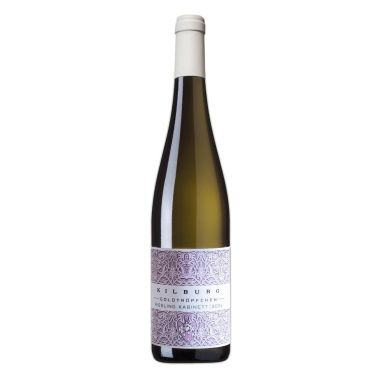
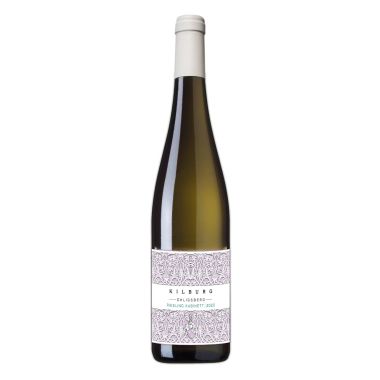
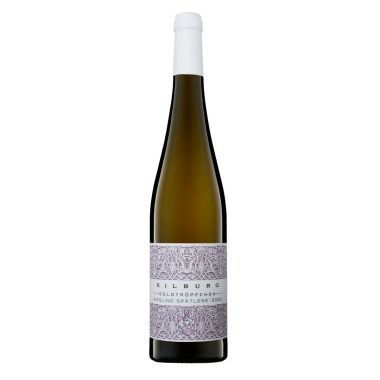
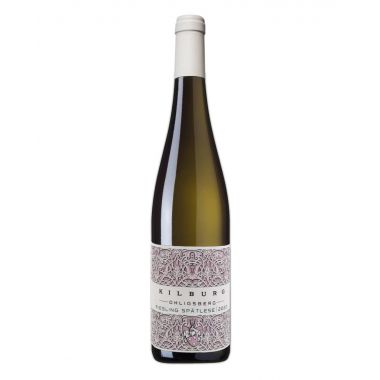
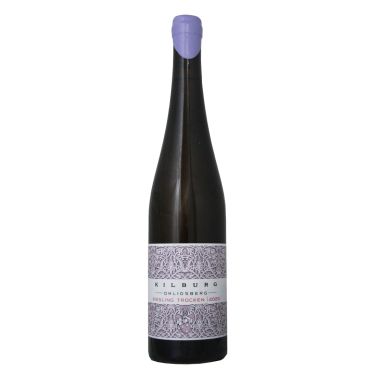
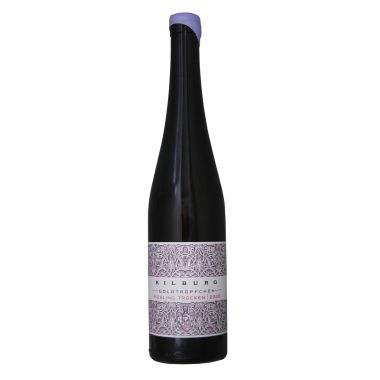
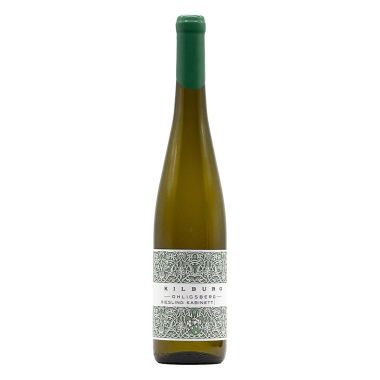
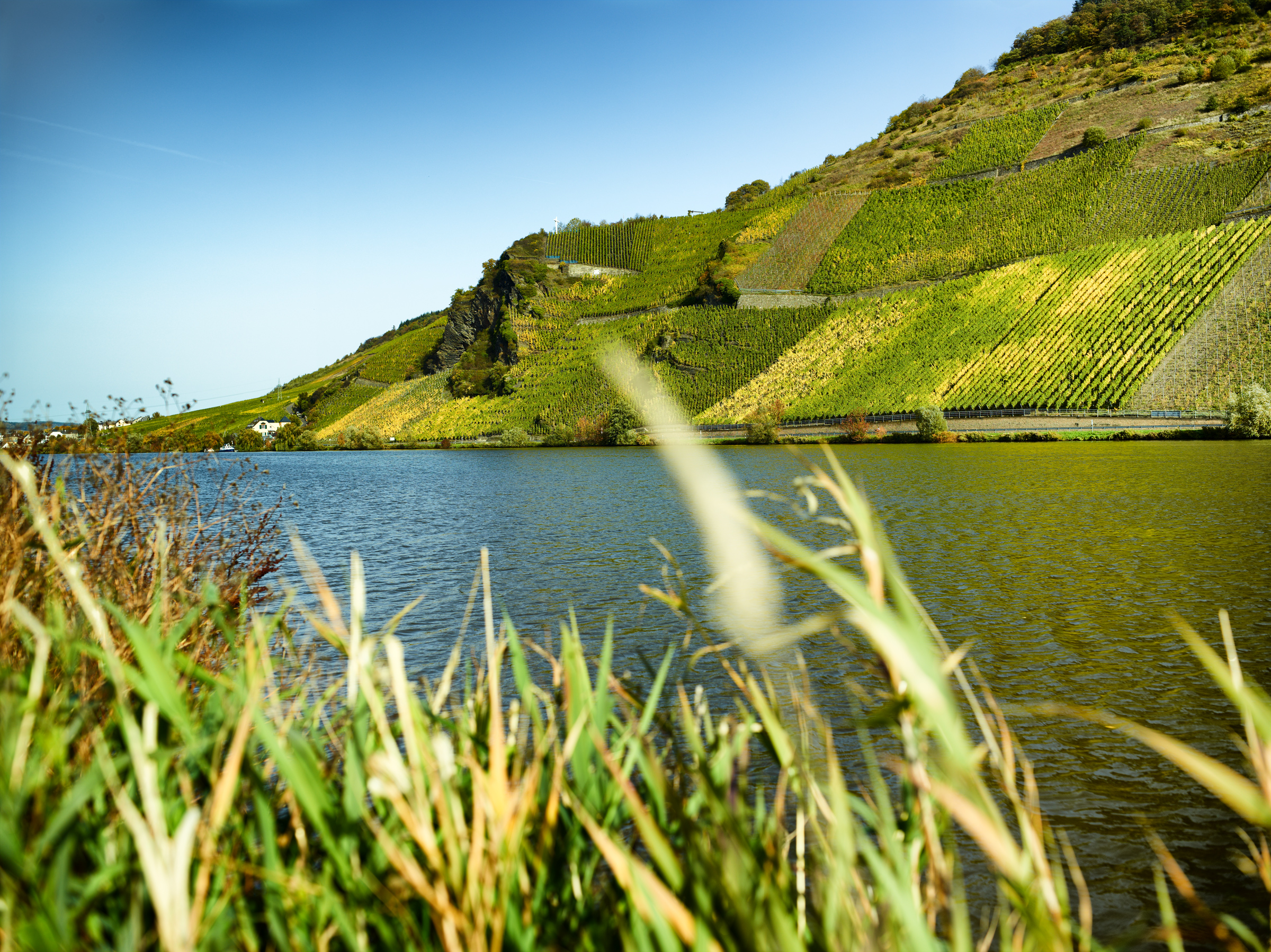
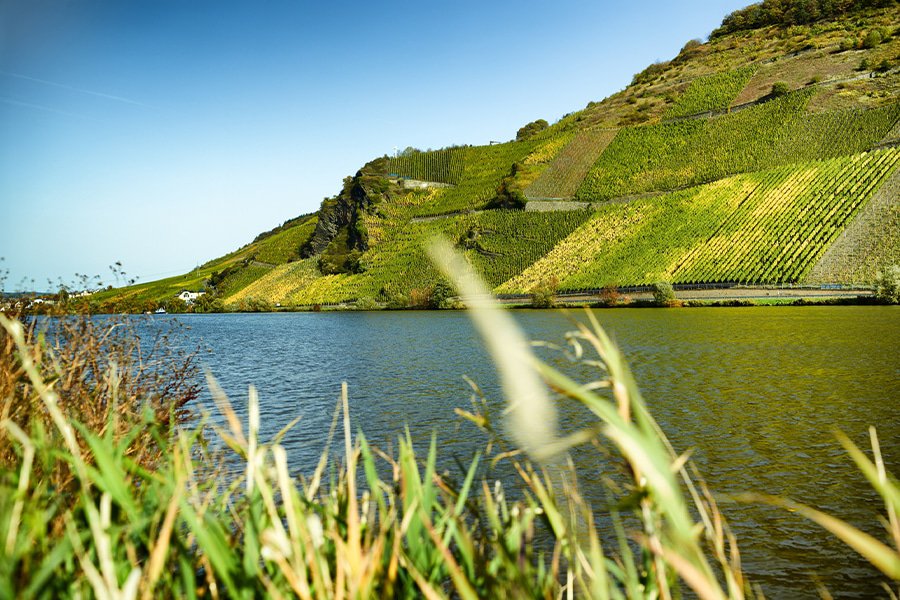
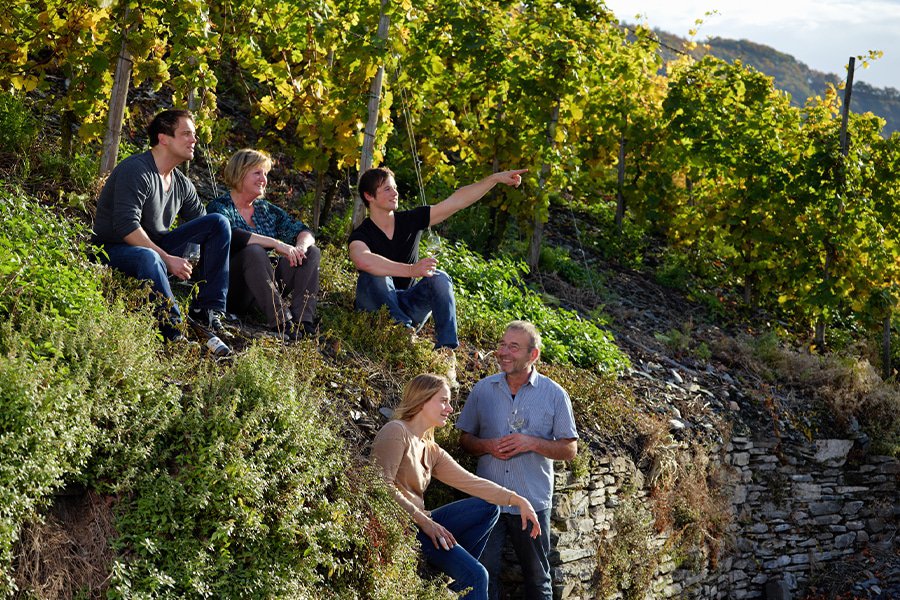
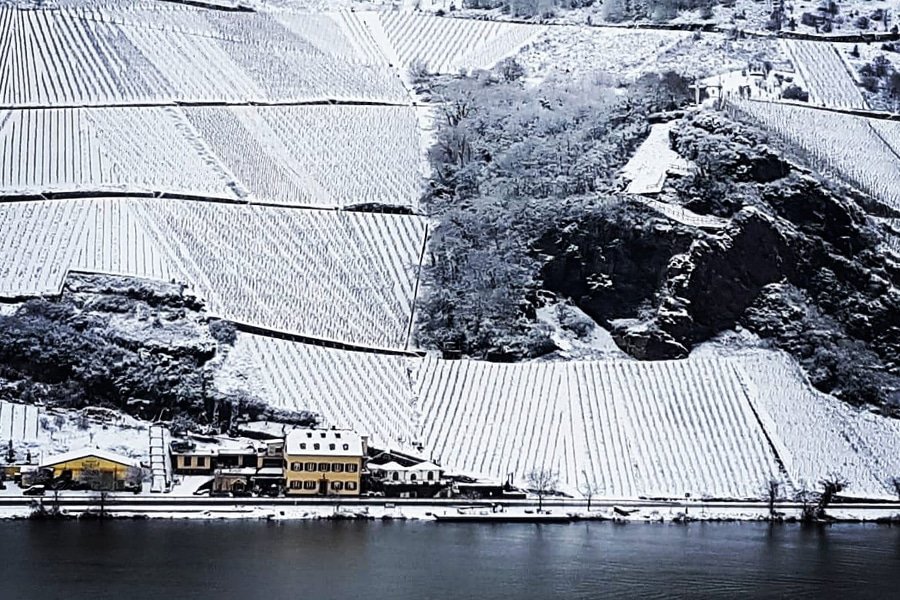
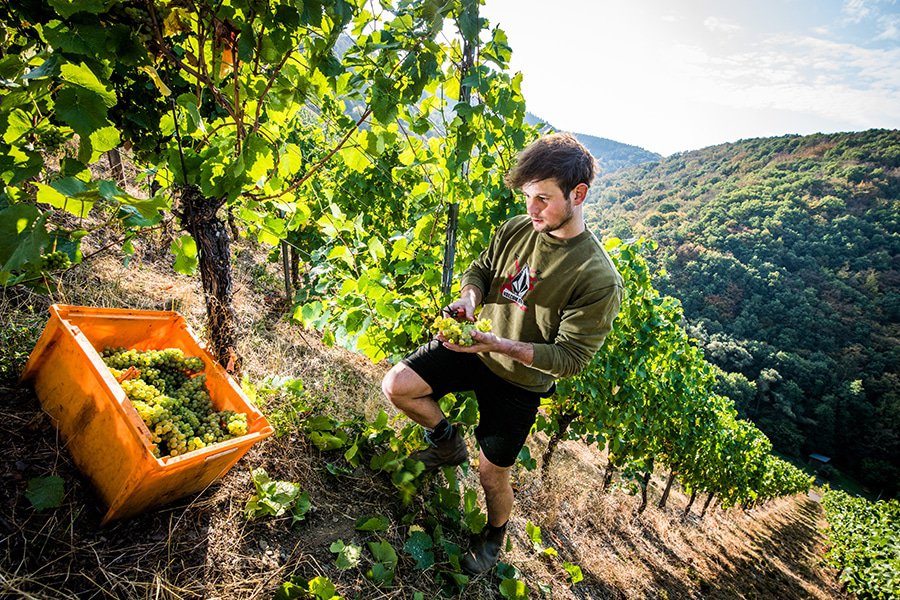
To be able to make wine in this way, you need very healthy grapes. These come from Max’s own plots: steep vineyards on the Wintricher Ohligsberg and in Piesporter Goldtröpfchen, planted with Riesling and Pinot Noir. Part of it faces south and part faces west, with a somewhat richer slate soil in Goldtröpfchen and a somewhat poorer one on the Ohligsberg. This way, Max harvests both riper Riesling grapes for his Kabinett and Spätlese – with an increasing degree of sweetness – and grapes that are perfectly suited for his dry wines.
Max has ambition: he wants to make wine that lasts a long time and that bears his stamp. ‘Terroir expression is not that difficult in the Mosel,’ he says. ‘But the wine must also say: handmade by me.’