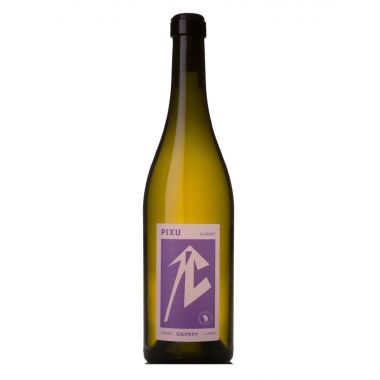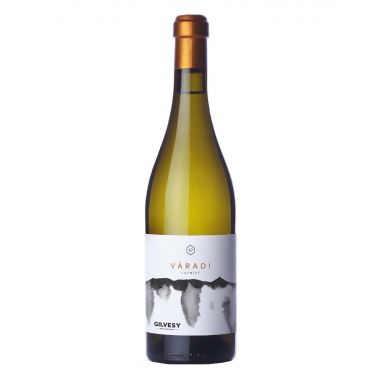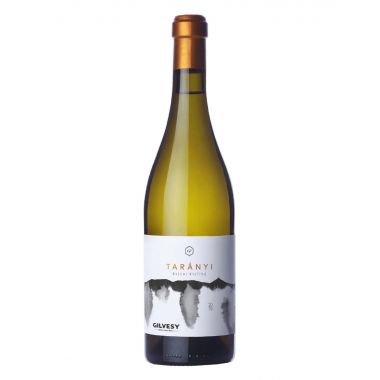


| Country of origin | Hongary |
| Type | Family business |
| Since | 2012 |
| Surface area | 10 hectare |
| Production | 30.000 bottles per year |
| Oenologist | Róbert Gilvesy |
| Agriculture | Biological |
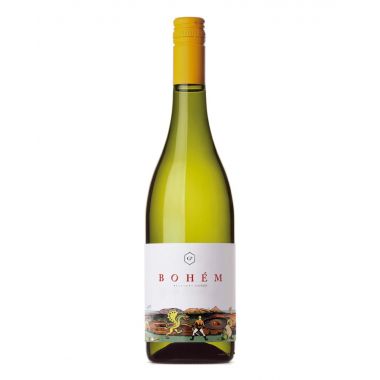
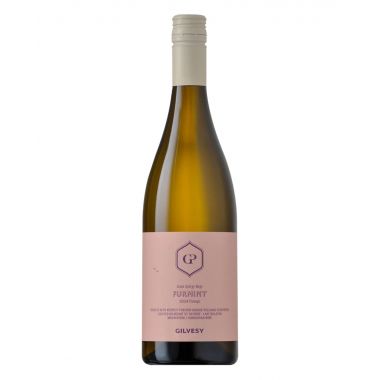
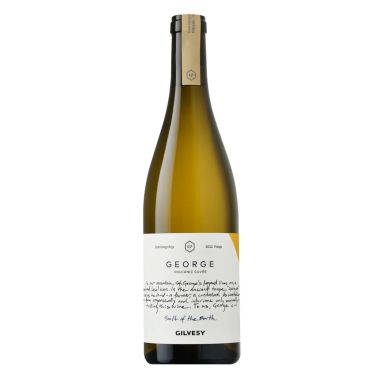
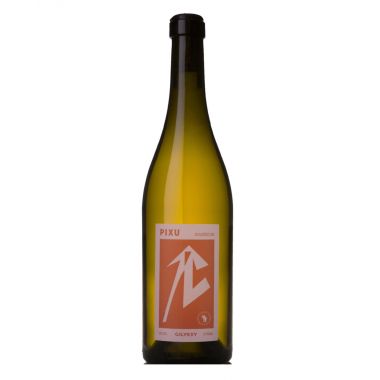
Gilvesy
Sometimes a modern approach is needed to preserve the beautiful things from the past. The Gilvesy wine estate, located a few kilometers north of Lake Balaton in Hungary, has one important goal: to preserve the centuries-old volcanic terroir and to fully express it in the wine. And owner Róbert Gilvesy tackles this with energy and contemporary methods.
The estate is located in a unique location: the 400-meter-high, ancient volcano St. George – Szent György-Hegy in Hungarian – which is estimated to be 8 million years old and has been inactive for about 4.5 million years. Fast forward to our era and we end up in the seventeenth century, when the Lengyel family built the wine cellar here that is now part of the Gilvesy estate. The company was owned for some time by the well-known Esterházy family and was taken over in 2012 by winemaker Róbert Gilvesy, a Canadian of Hungarian descent.
Gilvesy moved to Hungary after the fall of the Berlin Wall and as soon as he saw the St. George volcano, he knew: this is where I want to make wine. The subsoil consists of crumbled volcanic basalt, with a top layer of clay, sand or loess. The climate is relatively mild thanks to the proximity of the lake, with long, warm summers and sufficient rain in May. This makes the vineyards here a perfect place for various white grape varieties, including furmint, riesling and olaszrizling.
Róbert Gilvesy farms his approximately 10 hectares of vineyard organically and harvests by hand. In the cellar he uses both spontaneous and controlled fermentation, and both stainless steel tanks and Hungarian barrels. In everything he does, he goes all out for dry, beautifully complex wines, which form a great contrast with the wine that used to be made in Hungary. His wines are also mouth-wateringly tasty, uplifting and hearty: the umami jumps out. The backbone is formed by acids, which however always remain light-footed, and which together with the usually low alcohol content make Gilvesy wine deliciously drinkable – also at the table.