



| Country of Origin | Netherlands |
| Type | Family business |
| Since | 2002 |
| Surface area | 3 hectare |
| Production | — |
| Oenologist | Jules Nijst |
| Agriculture | Conventional |
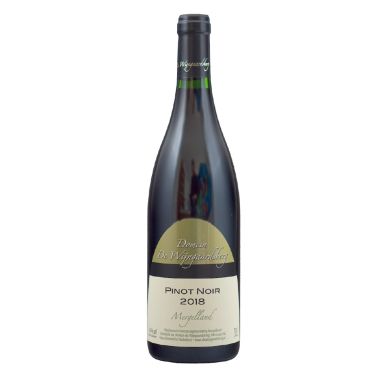
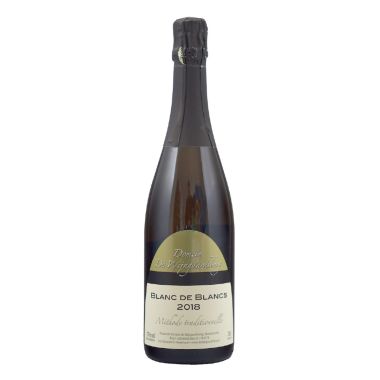
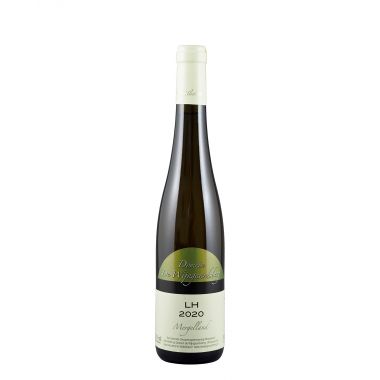
Wijngaardsberg
The heart of Dutch wine growing beats in Mergelland
Vine growing took place here as early as the Middle Ages, the oldest evidence of which dates back to 968 AD. The last vineyards disappeared around 1800. In 1967, wine growing was restarted and the area has now grown to 70 hectares. This makes Mergelland by far the most important wine region in the country and, according to many, also the best. This is due to the unique composition of soil, geography and climate that makes the area so suitable for high-quality wine growing. The soil consists of a topsoil of loess on limestone (called ‘marl’ in Limburg), which gives wines rich fruit aromas and fresh, sparkling acids. The hills ensure a concentration of solar heat, good drainage and natural protection against late night frost. It is not too warm here, which allows the grapes to ripen slowly and develop their full aroma potential. Only noble grape varieties are permitted for the production of Mergelland wine. These are varieties that originate from Northern France (Pinot Noir, Pinot Gris, Pinot Blanc, Chardonnay and Auxerrois) and Germany (Riesling, Rivaner, Gewürztraminer and Dornfelder).
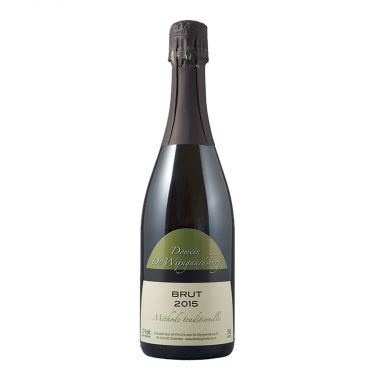
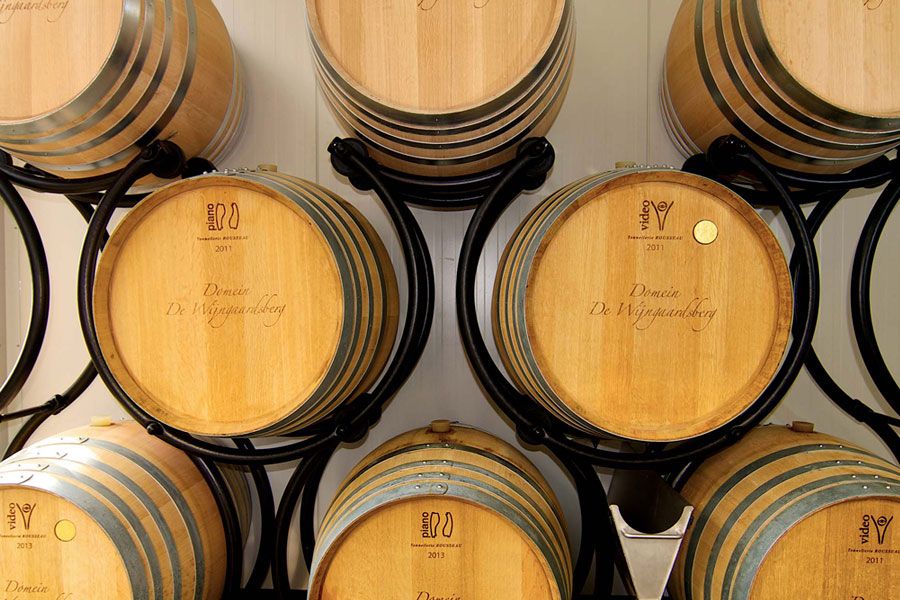
Domain De Wijngaardsberg, one of the best wine growers in the Netherlands
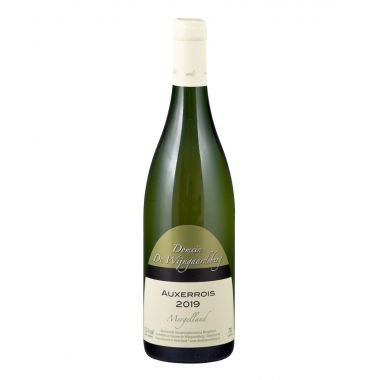
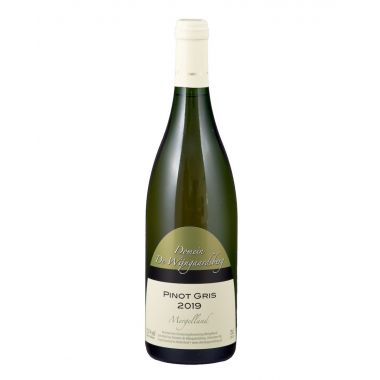
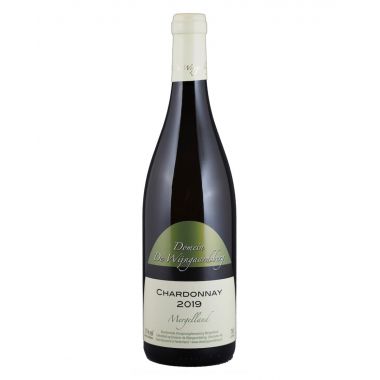
Maastricht now has the climate of Dijon, the capital of Burgundy, in the 1970s. Warm enough for fine wine. In 2002, the grape grower returned to the Wijngaardsberg. At first modestly, half a hectare with Pinot Gris and Auxerrois. That went well and the wines from Domain de Wijngaardsberg soon won prizes. In 2008, a significant expansion was made with 1.5 hectares of Pinot Noir and Chardonnay. In 2010, a spectacular terraced vineyard with Pinot Gris followed and in 2013 they planted even more Chardonnay and Pinot Noir. The motto of De Wijngaardsberg: good wine is created in the vineyard, what is not in the grapes cannot be extracted by the winemaker. Jules Nijst’s style is simple, transparent, a window onto the vineyard itself. No tricks or gimmicks, but very meticulous and precise. Making wine in the service of nature. And you can taste that.
The European Commission has decided to grant wine from the South Limburg Mergelland a Protected Designation of Origin. Such a designation is awarded to regional products of a special quality that is directly related to the origin of the product. A Protected Designation of Origin protects such products against counterfeiting. Due to the strict requirements that the product must meet, the consumer is assured of high quality.