| Country of origin | Germany |
| Type | Family business |
| Since | 1465 |
| Surface area | — |
| Production | 200.000 bottles per year |
| Oenologist | Max Kilburg |
| Agriculture | Conventional |
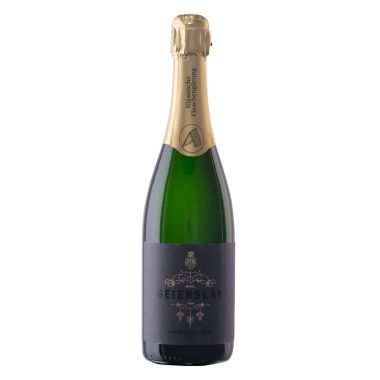
Geierslay
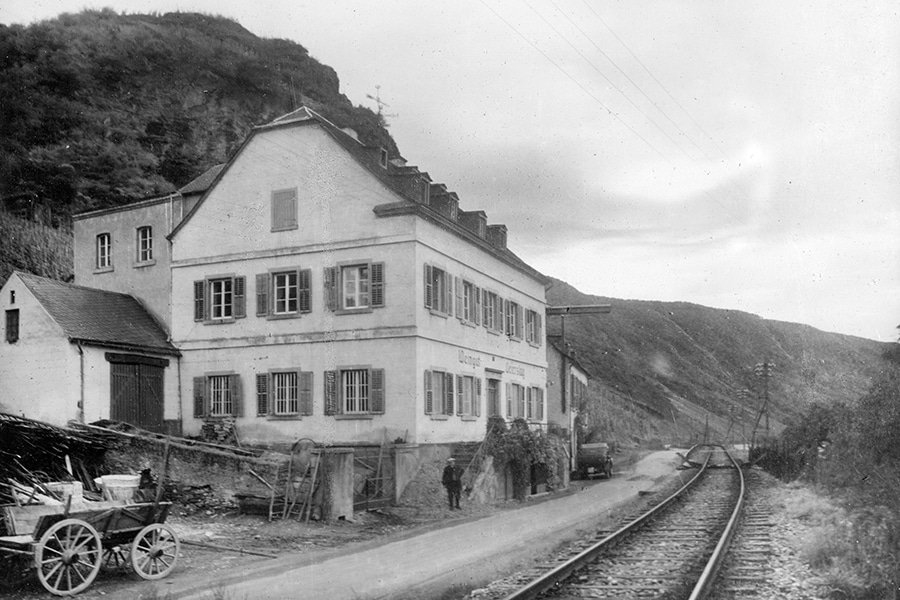
A winery in the Mosel that goes back nineteen generations and has existed for centuries, since 1465 to be precise: you should be able to trust that almost blindly. However, it turned out not to be that simple. After studying viticulture and various internships abroad, the young Max Kilburg returned to the old nest to work under the wings of his father at Weingut Geierslay in Wintrich. Here, right on the Mosel, a classic generation conflict arose. Father made wines the way they have been made for a long time, Max wanted something different. A bit wilder…
As a result, Max Kilburg – inspired by Julian Haart – decided to make beautiful Rieslings Trocken, Kabinett and Spätlese under his own flag and name. Completely according to his own vision: crystal clear and packed with quality. We fell in love with it right away and his own parents have since joined us. All this has led to Max Kilburg, in addition to his own line, now also being responsible for the Geierslay wines, and he is doing very well, to say the least.
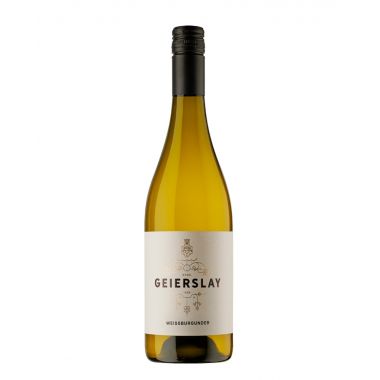
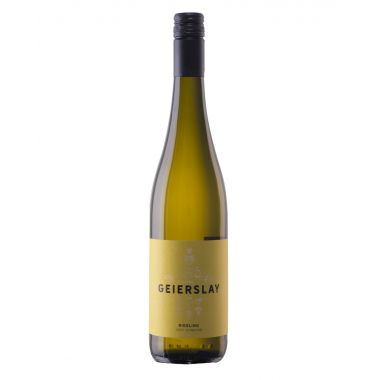
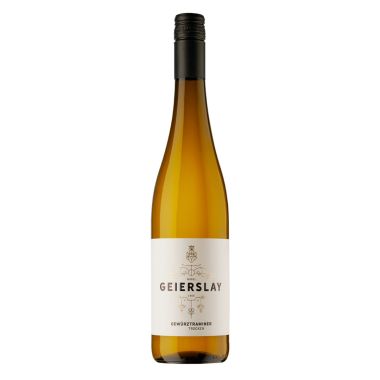
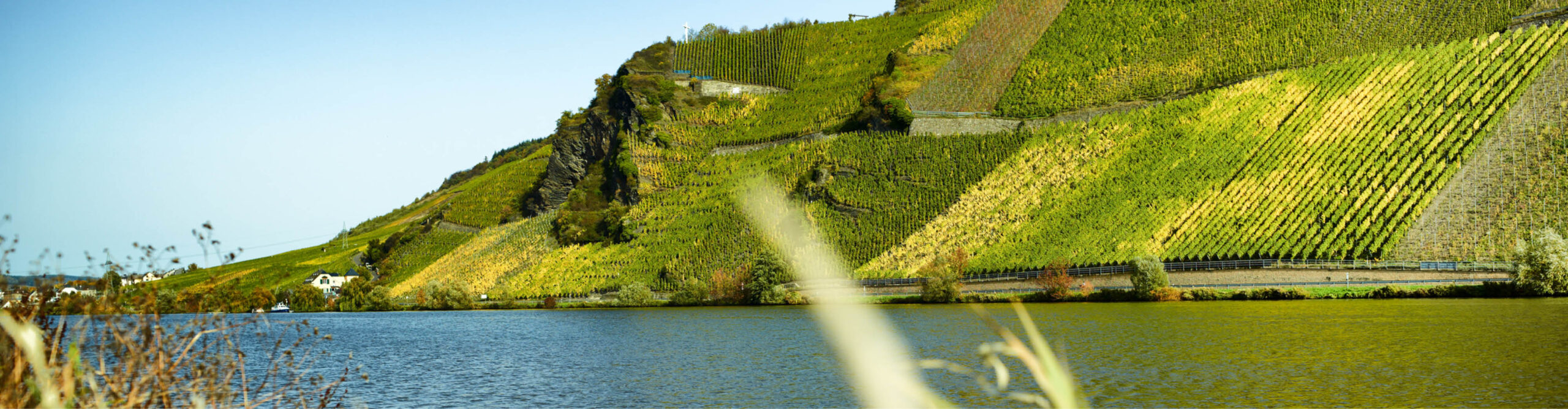
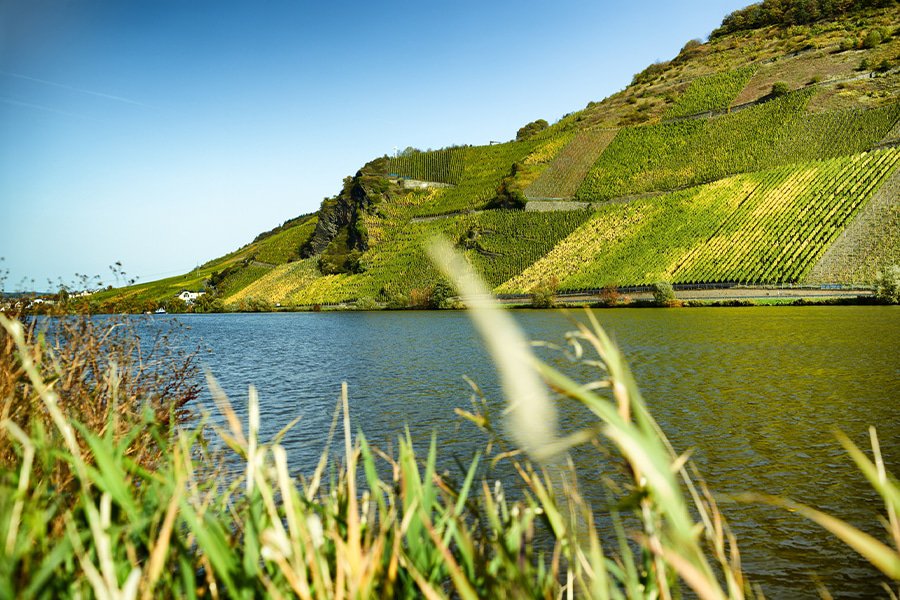
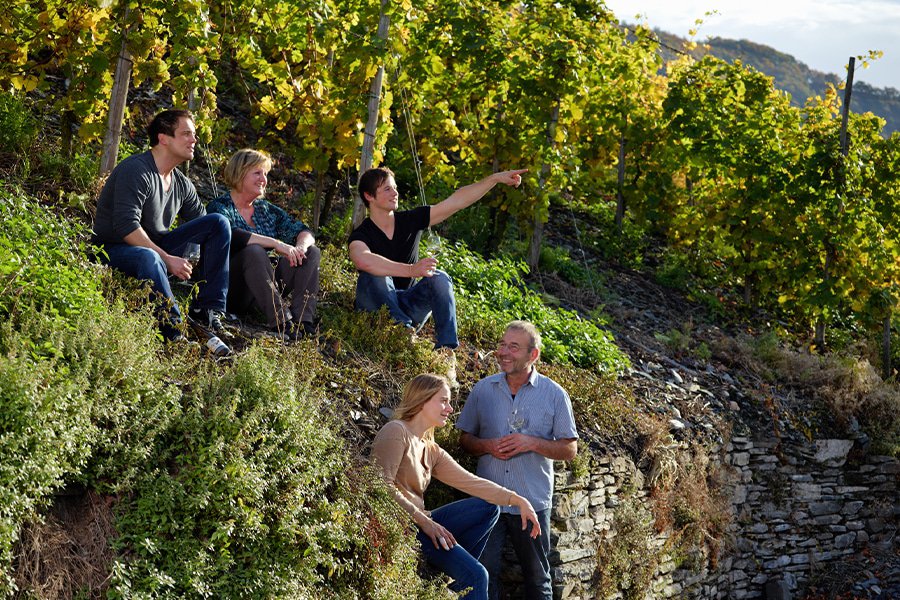
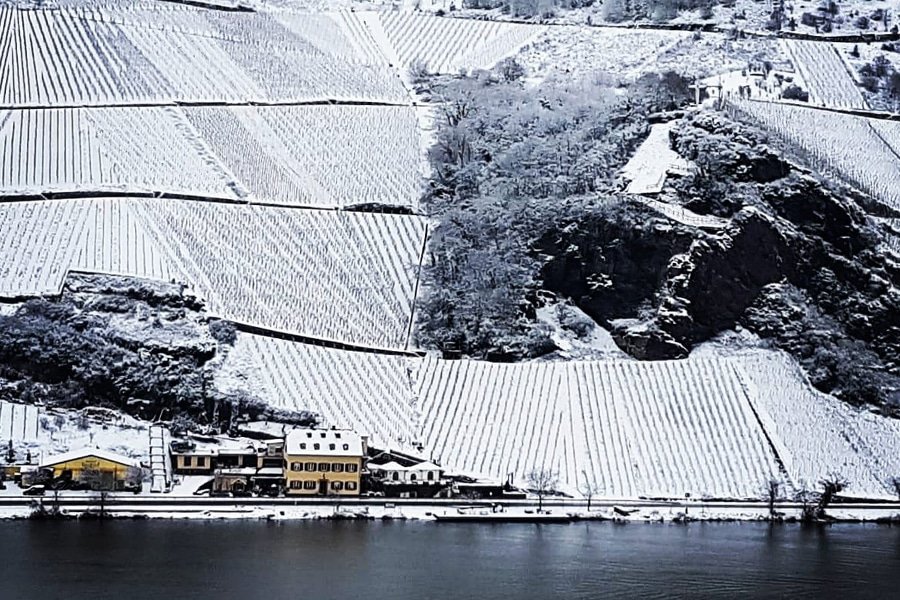
The grapes of Weingut Geierslay – such as Riesling, Weissburgunder, Grauburgunder and Gewürztraminer for white, and Spätburgunder for red – have traditionally been planted around the winery. The vineyards are located on impressively steep slopes, such as Wintricher Großer Herrgott, Wintricher Geierslay and Piesporter Treppchen. Max and his father, who still works with them, make an extensive range of wines from them, all within the Wintrich appellation. Not only red, white and rosé, but also beautiful sparkling wines and lush, complex, sweet wines. The full aromas and complexity are partly due to the fact that the vines are at least fifty years old.
Without vineyards there is no wine, so they are managed with the utmost care – pampered, you might say – with respect and love for Mother Earth. The grapes are picked by hand, a labor-intensive job on those steep slopes, and then thoroughly sorted. Only untouched, 100% healthy bunches of grapes make it through the selection. They are pressed softly and carefully and go into stainless steel tanks for fermentation. For the maturation of the wines there are wooden barrels of various sizes. But the most important thing in the wine cellar is of course the talent of Max Kilburg, who judges each wine when it is at its best and ready for the wine lover.