
| Country of origin | Germany |
| Type | Family business |
| Since | 1648 |
| Surface area | 42 hectare |
| Production | 350.000 bottles per year |
| Oenologist | Gunther Künstler and Rolf Schregel |
| Agriculture | Conventional |
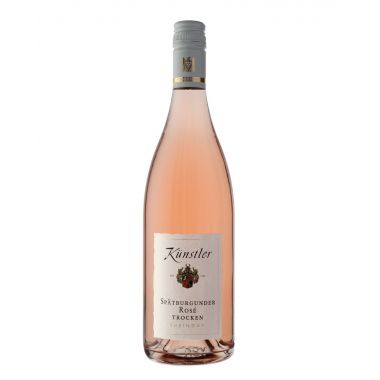
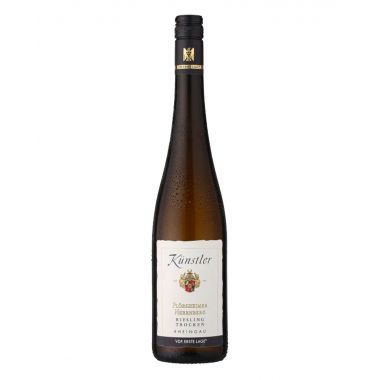
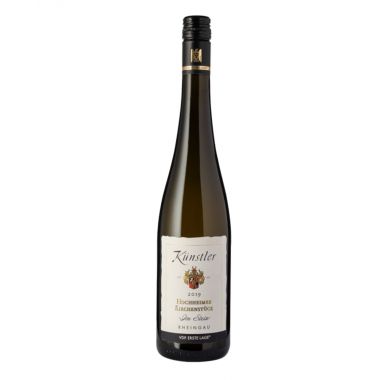
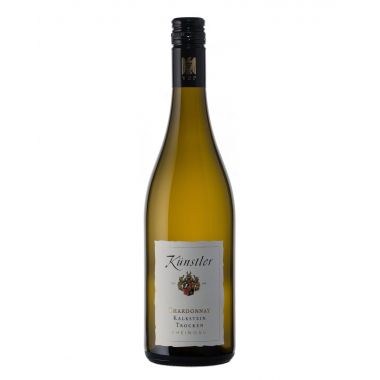
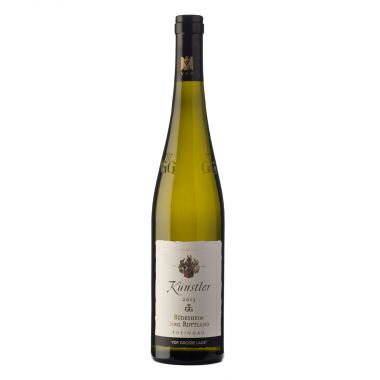
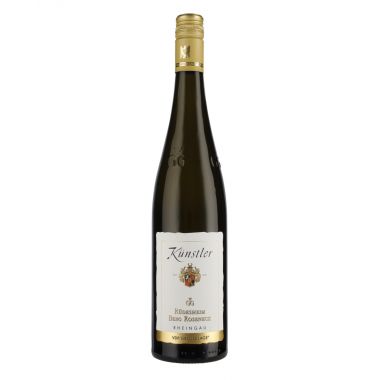
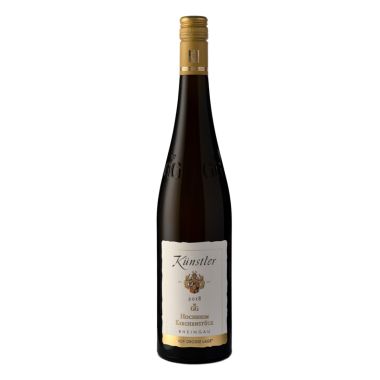
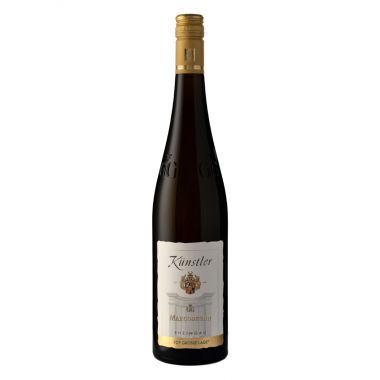
Künstler
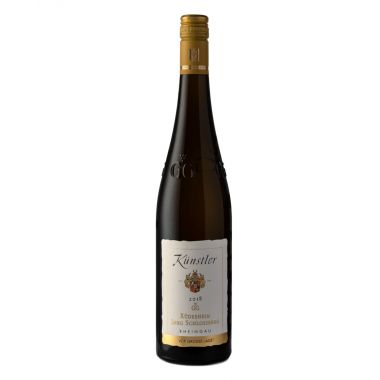
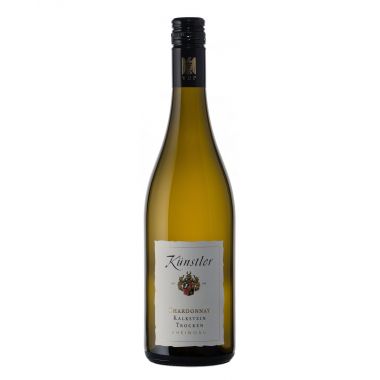
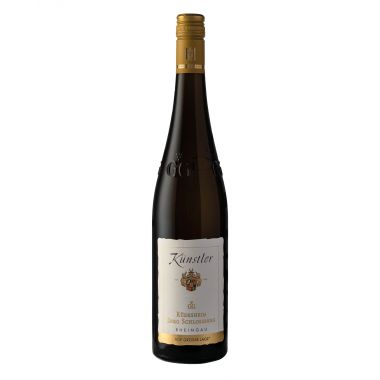
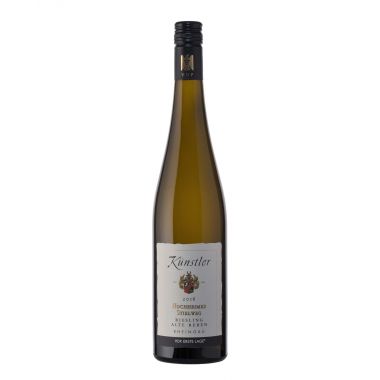
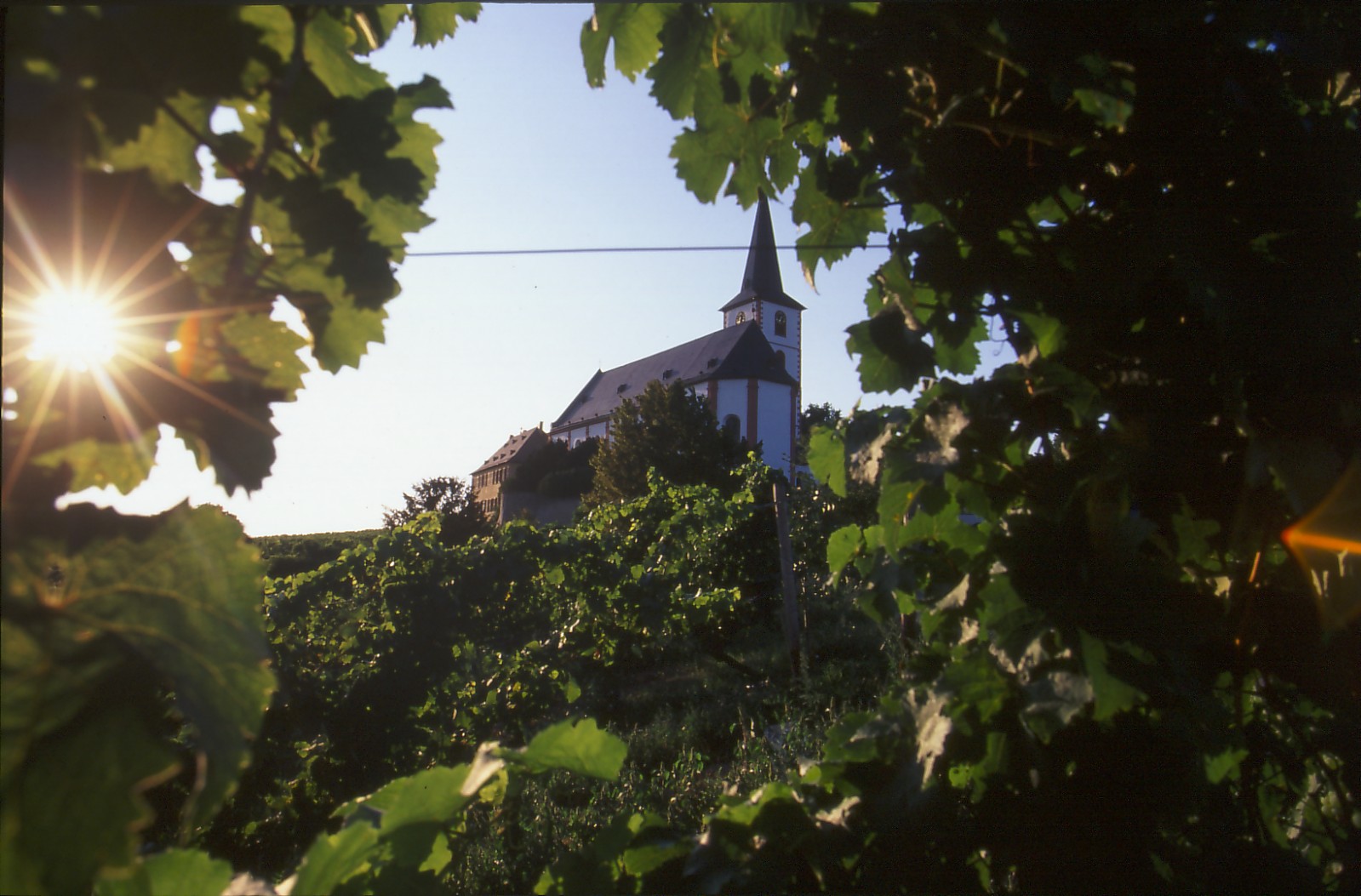
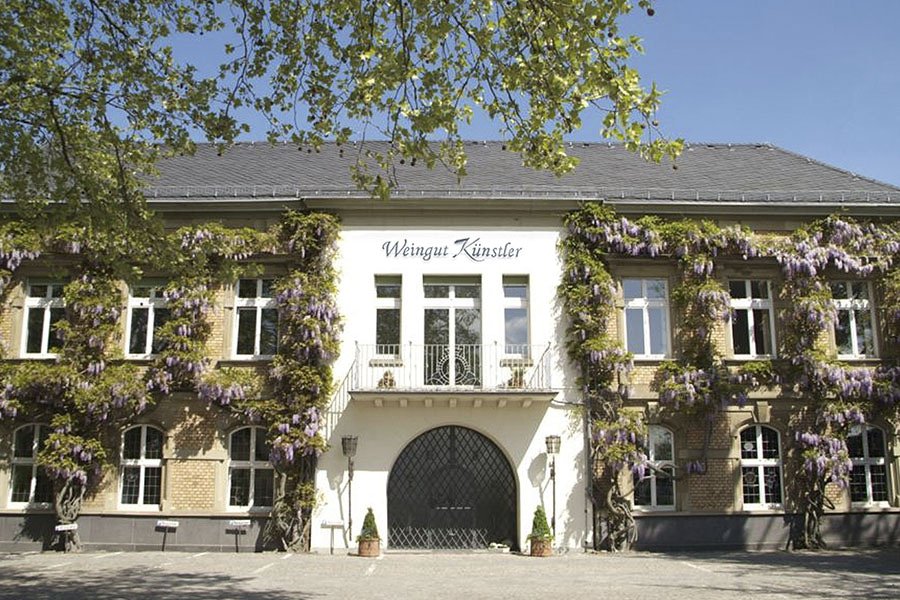
The Künstler family’s winegrowing tradition dates back to 1648. Until the end of the Second World War, they cultivated vineyards in Untertannowitz. This village is located in South Moravia and was part of the Czechoslovak Republic at the time. In 1945, German speakers, to whom the family belonged, were forced to leave their homeland. After the expropriation of their property and subsequent deportation, the family finally ended up in Hochheim am Main. There, Franz Künstler accepted the position of winemaker at the local Domdecant Werner’chen Weingut. In 1965, he founded a small winery himself. By consistently striving for top quality, this quickly led to a qualitative surface area. In 1992, his son Gunter took over the family winery and now continues it together with his wife Monika. With Gunter, the winery has experienced enormous growth. With land ownership in all the top vineyards of Hochheim, such as: Kirchenstück, Domdechaney, Hölle, Reichestal, Herrnberg, Stein and Stielweg. He has recently even acquired Rüdesheim vineyards.
The Rheingau
The small Rheingau is without a doubt the most famous German wine region. The idyllic region is largely situated on the Rhine and to a small extent also on the Main river. The wine region measures 3,088 hectares of vineyards, which extend over thirty-five kilometers. The course of the Rhine runs almost continuously from south to north from its source in Switzerland. This natural flow changes from east to west between the towns of Mainz and Bingen. The watercourse meets the massive wall of the Taunus mountains there. This mountain range, together with the river, creates a unique microclimate that is excellent for wine growing. The Taunus mountain range protects the vineyards from cold northern winds and the water surface provides reflection of sunlight.
The soil
In the Rheingau, you cannot speak of an average type of Rheingau soil; the earth’s crust here is a patchwork with more than 130 different compositions. The microclimates can also vary greatly. For example, the small Hochheim (in the eastern part on the Main River) stands out from the rest because it is warmer here. More heat accumulates here, from which the grapes benefit enormously. You will also often find heavier soils here with clay and limestone. In the rest of the Rheingau, there are more lighter soils, which can be heated relatively quickly. The vineyards of Rüdesheim are mainly located on steep mountain slopes, with mostly grey and red slate with sometimes loess, loess-loam and quartzite.
The wine philosophy
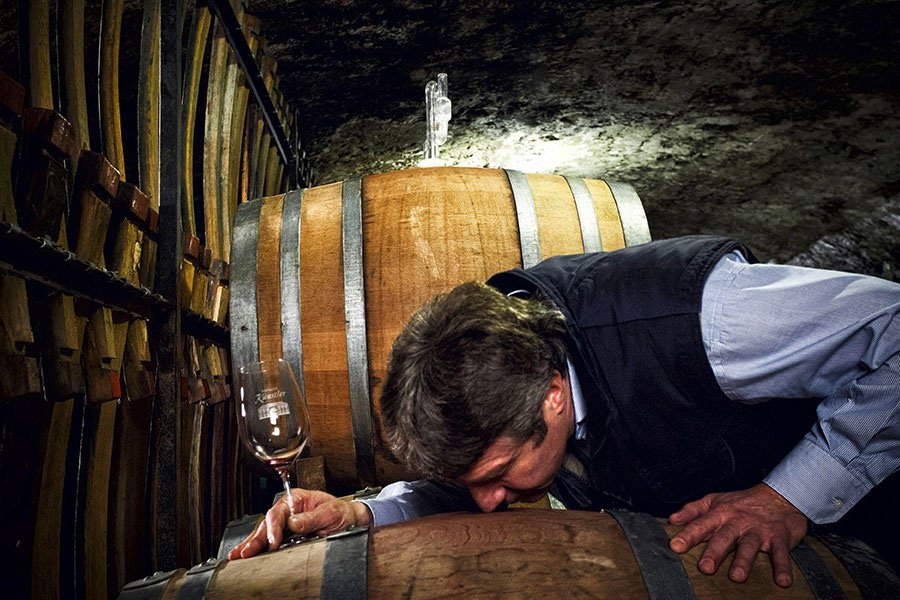
“What grows in the vineyards cannot be improved in the wine cellar,” explains Gunter Künstler. A lot of work is therefore done in the vineyards to harvest the highest possible quality of grapes. The vineyards are cultivated in an environmentally friendly manner and insecticides and other chemicals are used as little as possible. During the harvest, the grapes are harvested in several harvesting stages and only in small crates to avoid damaging them. Dry wines are only made from 100% healthy grapes with maximum physiological ripeness. For the actual winemaking, the latest technology is used in combination with years of experience and a great deal of ‘Fingerspitzengefühl’. Depending on the quality of the harvest, the wines are made in stainless steel, wood or a combination of both. In order to prepare stable, pure wines, added yeasts are used, and occasionally spontaneous fermentation is also used. After fermentation, the young wines lie on the fine sediment for some time, often until bottling. This is intended to give the wine as characteristic a character as possible.