| Country of origin | Spain |
| Type | Family business |
| Since | 1895 |
| Surface area | 30 hectare |
| Production | — |
| Oenologist | Juan Cerdán |
| Agriculture | Organic (certified) |
Bodega Cerrón
The history is -just like the vines- complex and deeply rooted, here on the dividing line between Levante and Castilla la Mancha. Under the flag of D.O.P. Jumilla, the Cerdán family has been cultivating the most challenging plots of land here since the end of the 19th century. The history and complexity of this becomes crystal clear to us when we let Juan José -together with brother and sister Carlos and Lucía, fourth generation winemakers- speak. He candidly tells the story of how small agricultural holdings came into being in Fuente Álamo (Albacete), the village where his family settled decades ago and where great-grandfather Francisco Cerdán laid the foundation for the wine estate that it is today. “The origins lie in the period after the Spanish land expropriation in the early 19th century, when landowners, faced with a lack of money, gave some of their worst lands to workers. These were mostly terraced vineyards with poor soil in higher areas, up to 1000 meters above sea level. In short, very difficult to care for.”
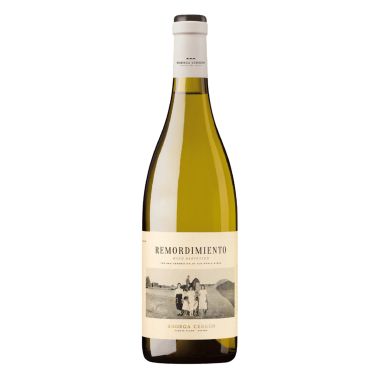
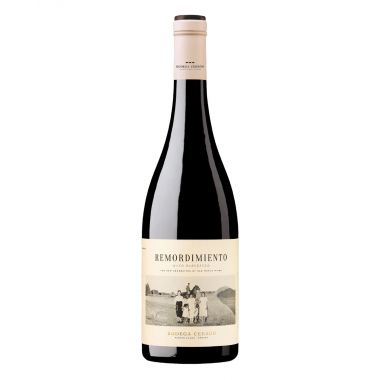
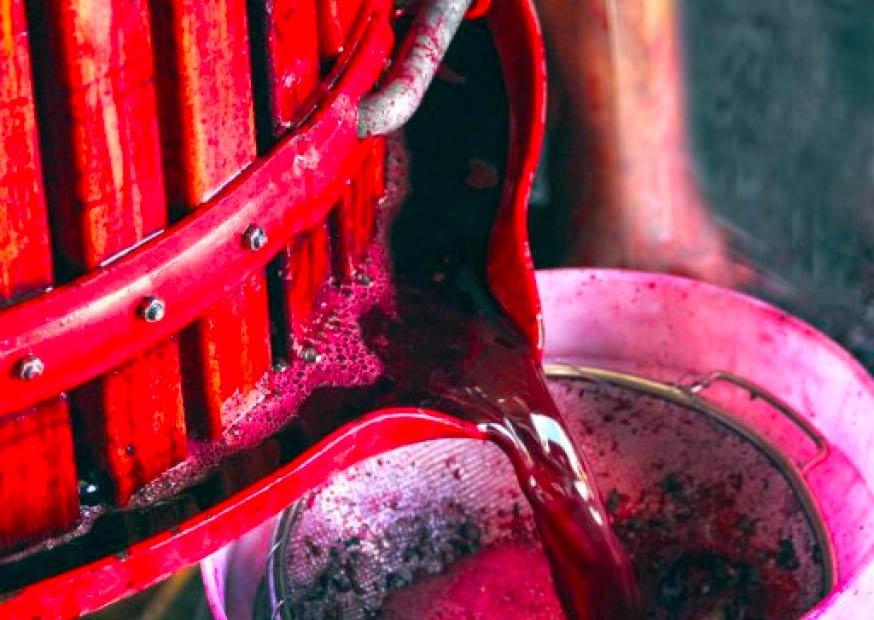
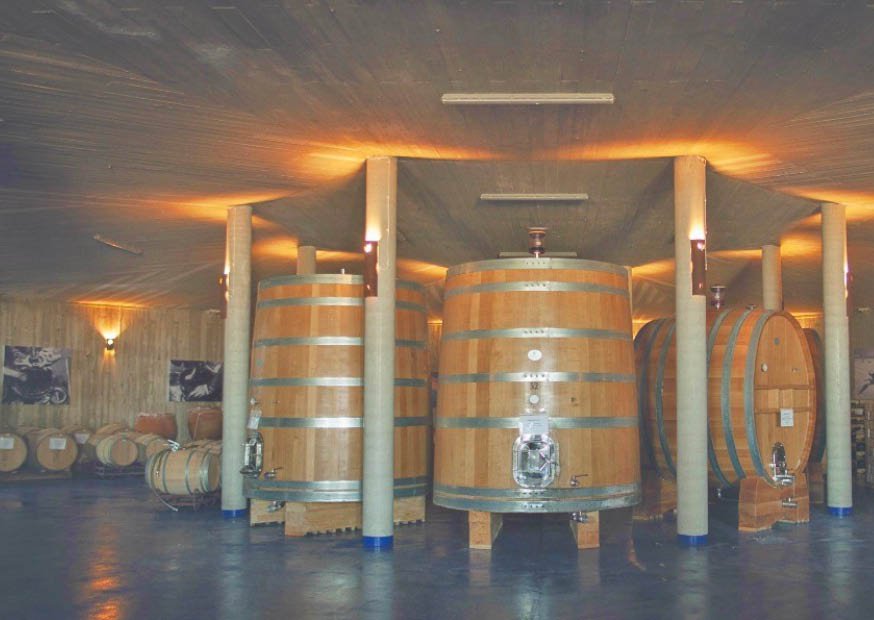
Almost all the labels on the bottles are taken from family portraits and although the past is clearly visible, the future is very well represented. While sustainable and responsible agriculture has always been practiced, the winery was certified organic in 1995. The vineyards of Bodegas Cerrón are therefore among the first batch of organically certified vineyards in Spain. Therefore, no artificial fertilizers, additives or synthetic chemicals are used in these vineyards. The 25 to 70 year old vines are harvested only by hand. Only indigenous yeasts are used in the winemaking process. In the cellar of the estate we find an enormous variety of wine barrels. Oak, cement, amphora, stainless steel, tinajas and foudres of all sizes, almost all materials are used to ferment and mature the wines. At all times, the choice is made to respect the fruit, terroir and frivolity of the wine, which must not be drowned out in any way by woody notes or a rustic character.
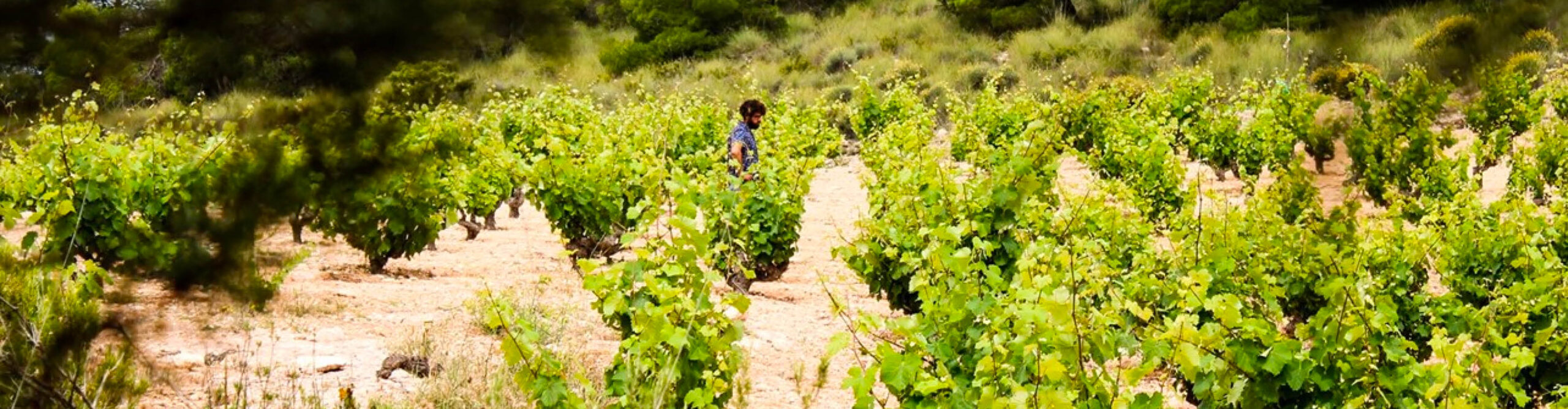
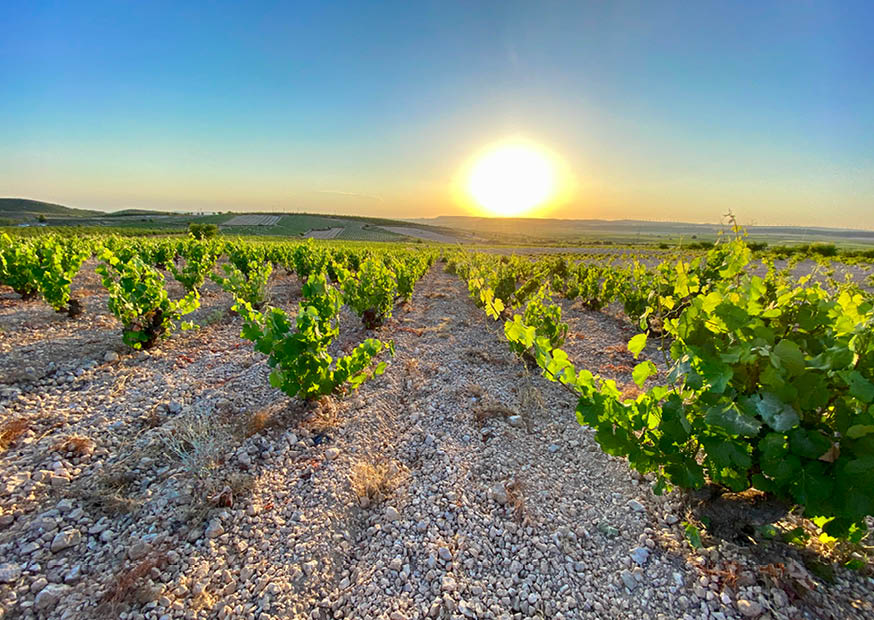
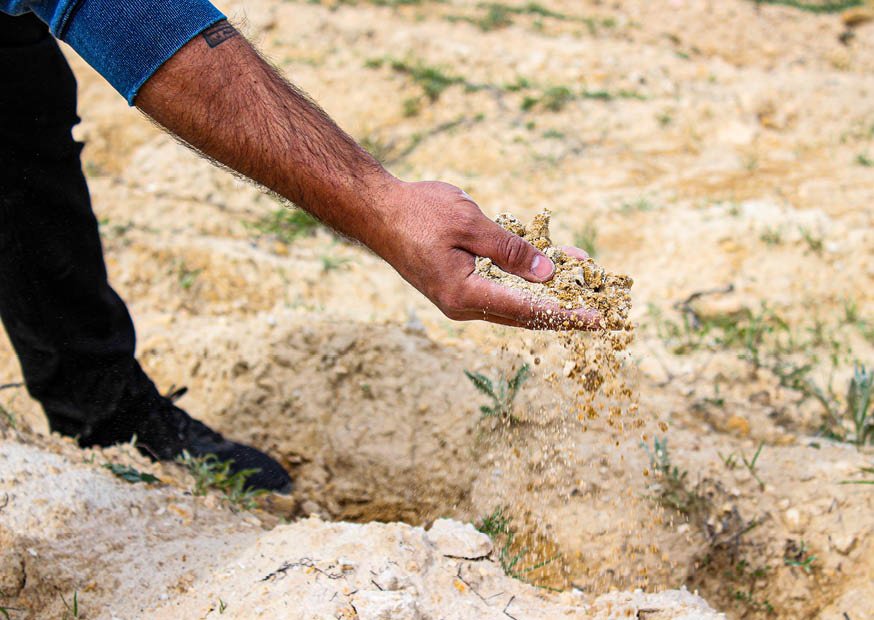
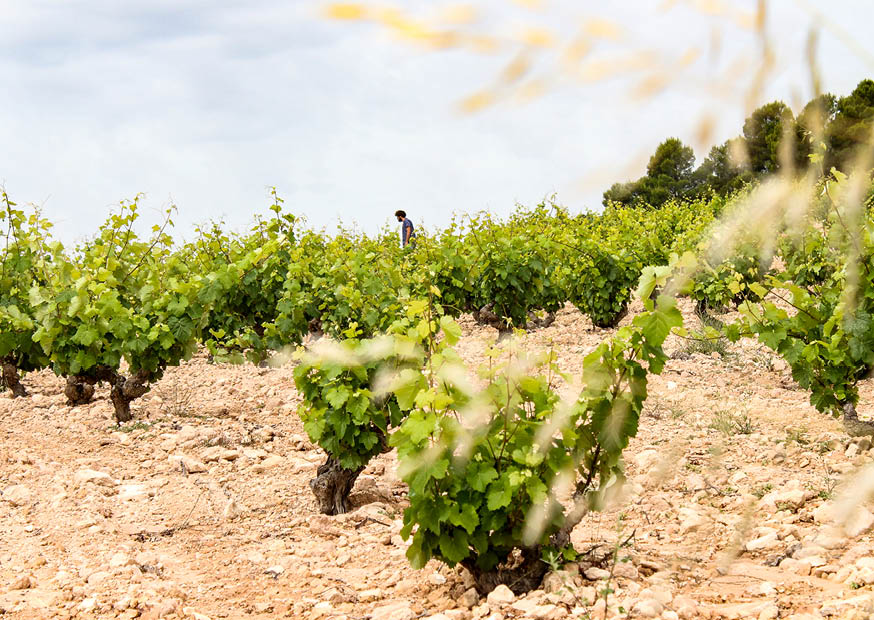
Lucía, Carlos and Juan José’s objective is to maintain biodiversity, save age-old vines and make them productive again after years of neglect. One of the most important factors for the quality of the wines is the soil with the presence of rough limestone and many stones and rocks that help to retain moisture in the heat of the summer. The shady slopes that -like the roots of the vines- are oriented towards the north give the grapes more time to ripen. It is these important and unique details that allow the monastrell and petit verdot varieties to develop into wines with a delicious atypical freshness and invigorating acidity. In addition, another of Bodegas Cerrón’s most important achievements is the fact that the use of wood goes almost unnoticed in almost all of their wines.
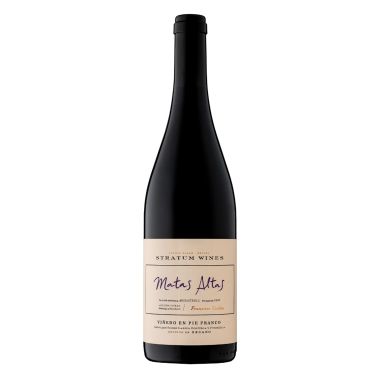
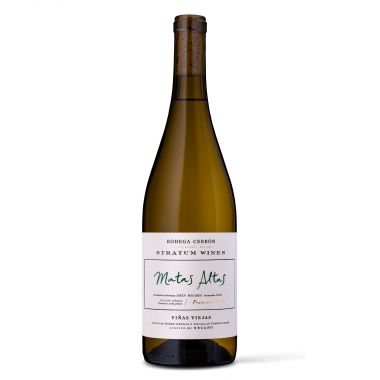
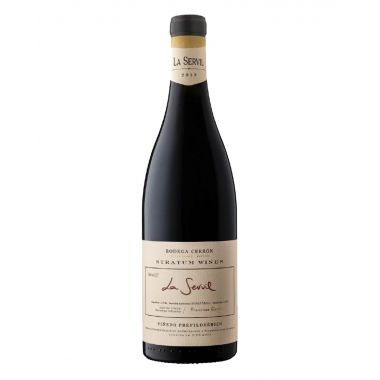
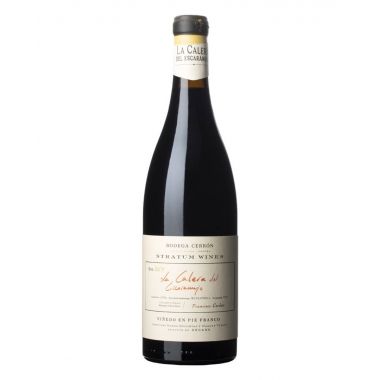
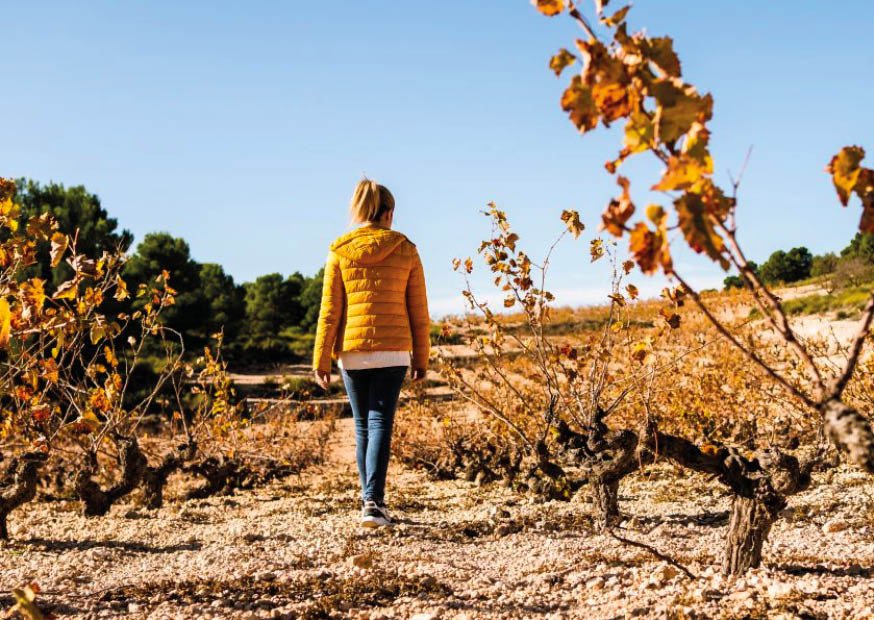
Stratum Wines (“Vinos de Estrato”) is a second project of Bodega Cerrón and originated in the Paraje de la Muela, the highest and northernmost point of the entire DOP Jumilla. In 2011, the 4th generation of the family began the recovery of the ‘plant heritage’ of the town of Fuente Álamo, revaluing the historic and abandoned vineyards and working on the ancient ungrafted vines planted between 1910 and 1960. “It is not just about preserving what we have, but about continuing to build a healthy land, continuing to create the perfect balance with nature”, according to the Cerdán family.
They work hard on the arid and high plateau, where the vineyards are dominated by the monastrell grape variety. In addition, it is accompanied by local varieties such as Blanquilla, Forcallat, Bobal, Bonicaire, Moravia Agria and Rojal. With an average of 3000 hours of sunshine per year, it is easy to make overwhelming and powerful wines in this climate. However, by searching for and working in vineyards with a lot of altitude and ‘cool’ orientations (so mainly facing east and north), Stratum Wines goes completely against this style by making subtle wines that show off the terroir instead of being dominated by ripe fruit and wood use.