| Country of origin | Spain |
| Type | Family business |
| Since | 1920 |
| Surface area | |
| Production | 50.0000 bottles per year |
| Oenologist | Eulogio Pomares |
| Agriculture | Sustainable |
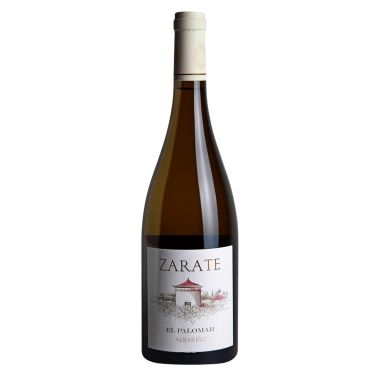
Zarate
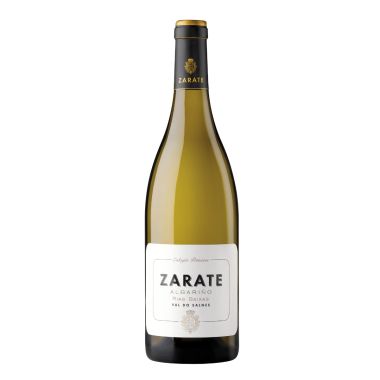
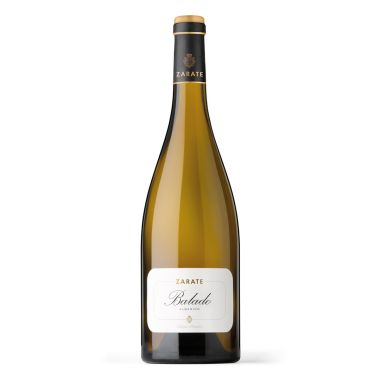
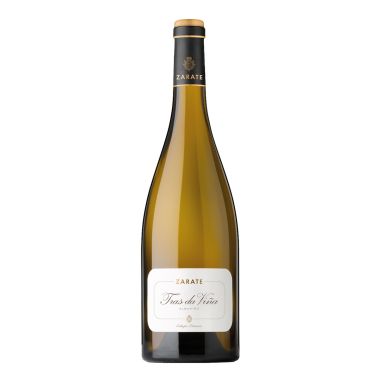
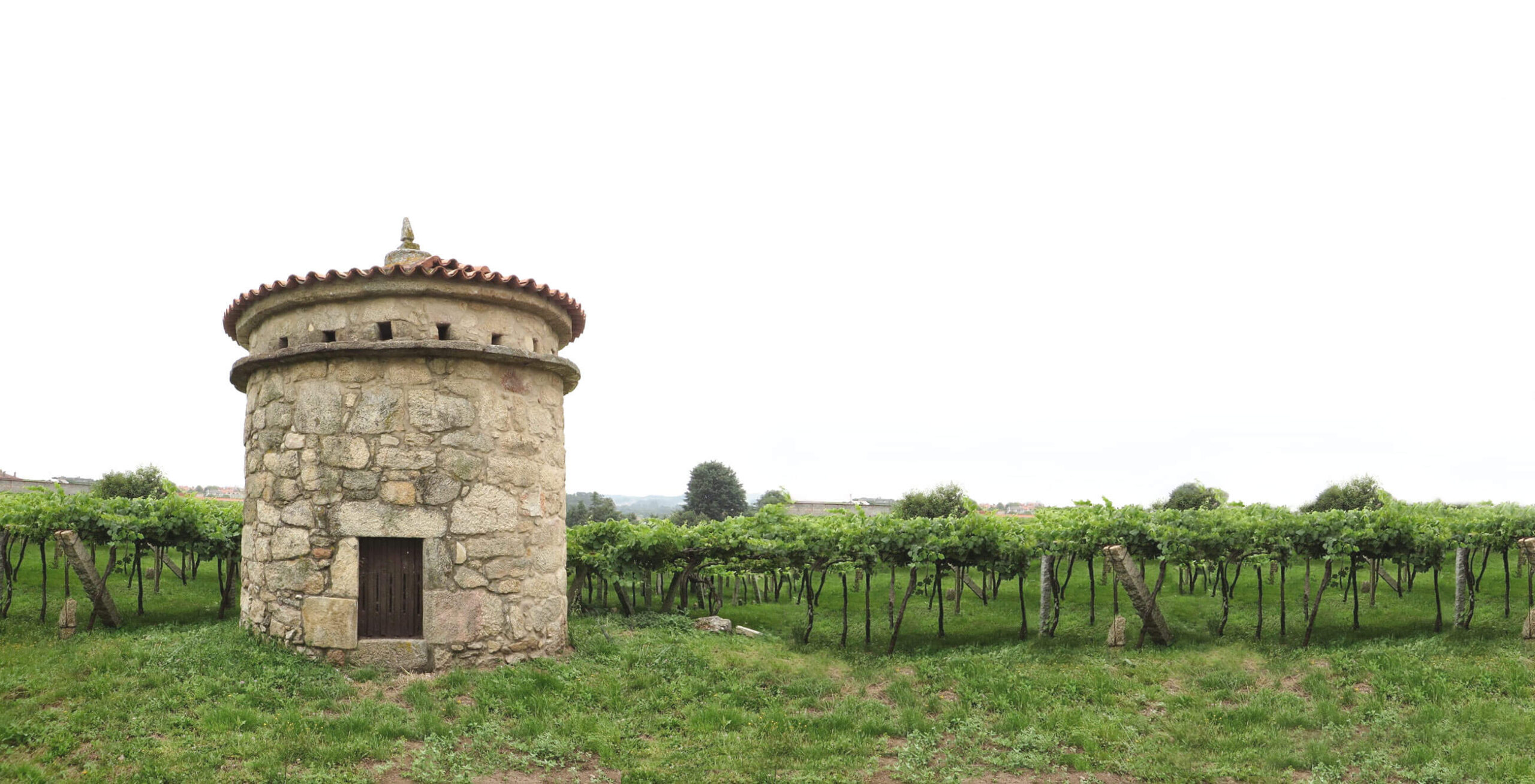
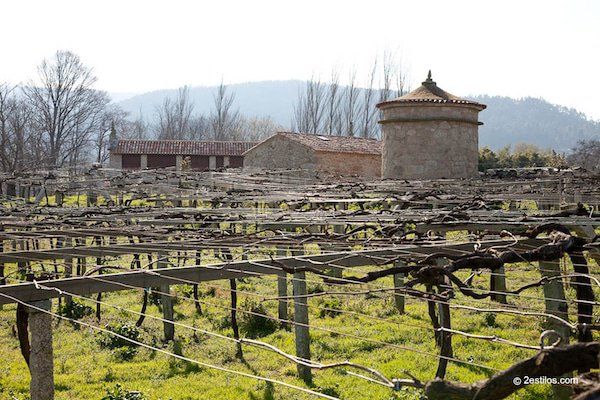
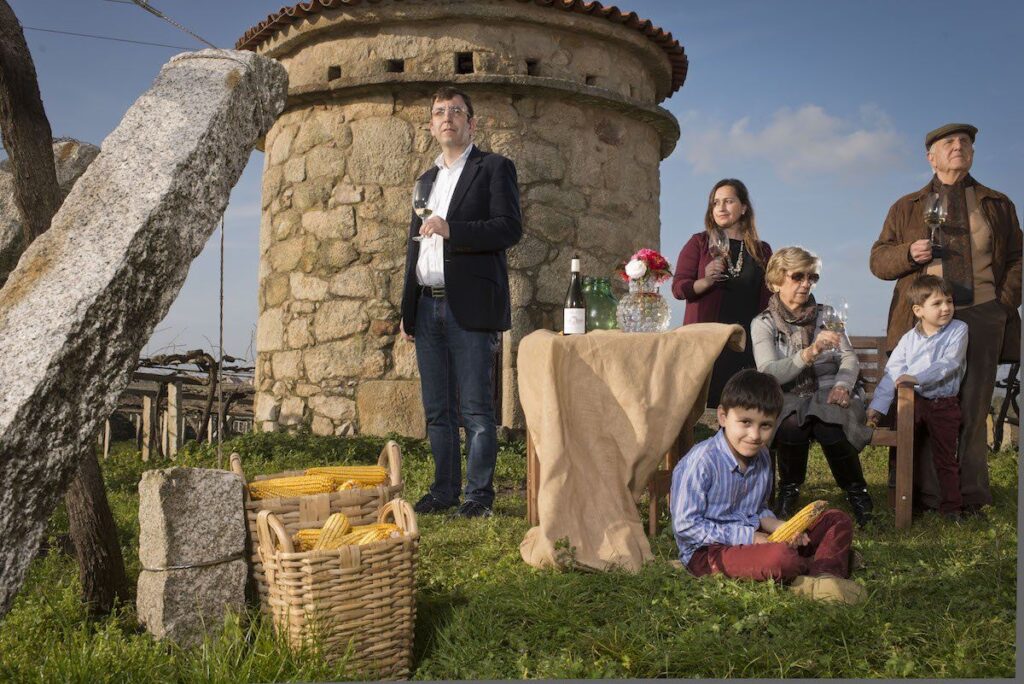
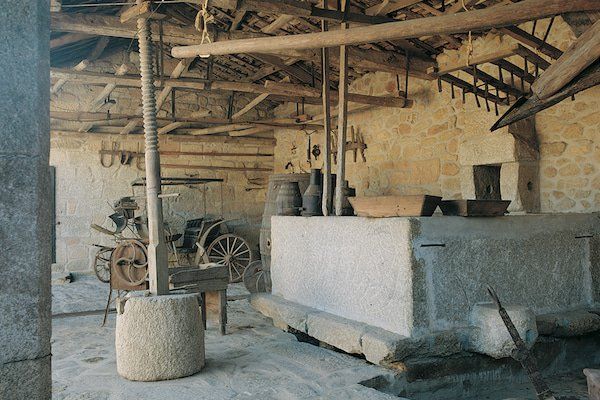
Zarate is a family-owned winery in Meaño, the heart of the Salnés Valley in the Rías Baixas appellation. The Zarate tradition began in 1707 and now, seven generations later, the family still doesn’t just make wine. Their Albariño is known worldwide as an absolute highlight of the region. The vineyard is located on the site of a 16th century pazo. The philosophy of the estate is that each plot – using carefully regulated yields – should express the true character of its terroir and grape variety.
Vinification technique and indigenous grapes
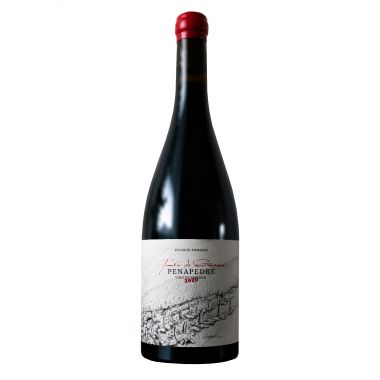
In the 1950s, Zárate influenced the vinification techniques of Albariño wines in a groundbreaking way. What they introduced then is still successful today. Ernesto Zárate won Cambados Albariño Fiesta three consecutive years – 1954, 1955 and 1956, a wine event of which he is also one of the founders. After his third triumph, he withdrew from the competition and never presented his wines there again. Native grapes The total estate covers 6.5 hectares divided into 11 plots in the villages of Sisán and Padrenda. Both villages are located in the Salnés valley, whose poor and well-exposed soils are considered the cradle of the Albariño grape. The main grape variety is Albariño, but Zarate also grows the native red grapes Caiño Tinto, Loureiro Tinto and Espadeiro.
Sustainable viticulture
The average vine here is around 35 years old. Zárate uses cuttings from the oldest vines for new plantations. All viticulture methods are environmentally friendly; since 1994, permanent natural cover crops have been grown in all plots, Zárate does not plough, does not use pesticides and does not fertilize the soil with chemical nutrients. The classic pergola is the most widely used pruning system. The harvest is manual with small boxes of 16 kg, preceded by numerous ripeness checks on the grapes. The pickers sort the bunches on the vine and eliminate grapes that could be affected by rot.