| Country of origin | Spain |
| Type | Family business |
| Since | 2002 |
| Surface area | 155 hectare of which 70 for personal use |
| Production | 140.000 bottles per year |
| Oenologist | Luis and Willy Pérez Rodriguez |
| Agriculture | Conventional |
Bodegas Luis Pérez
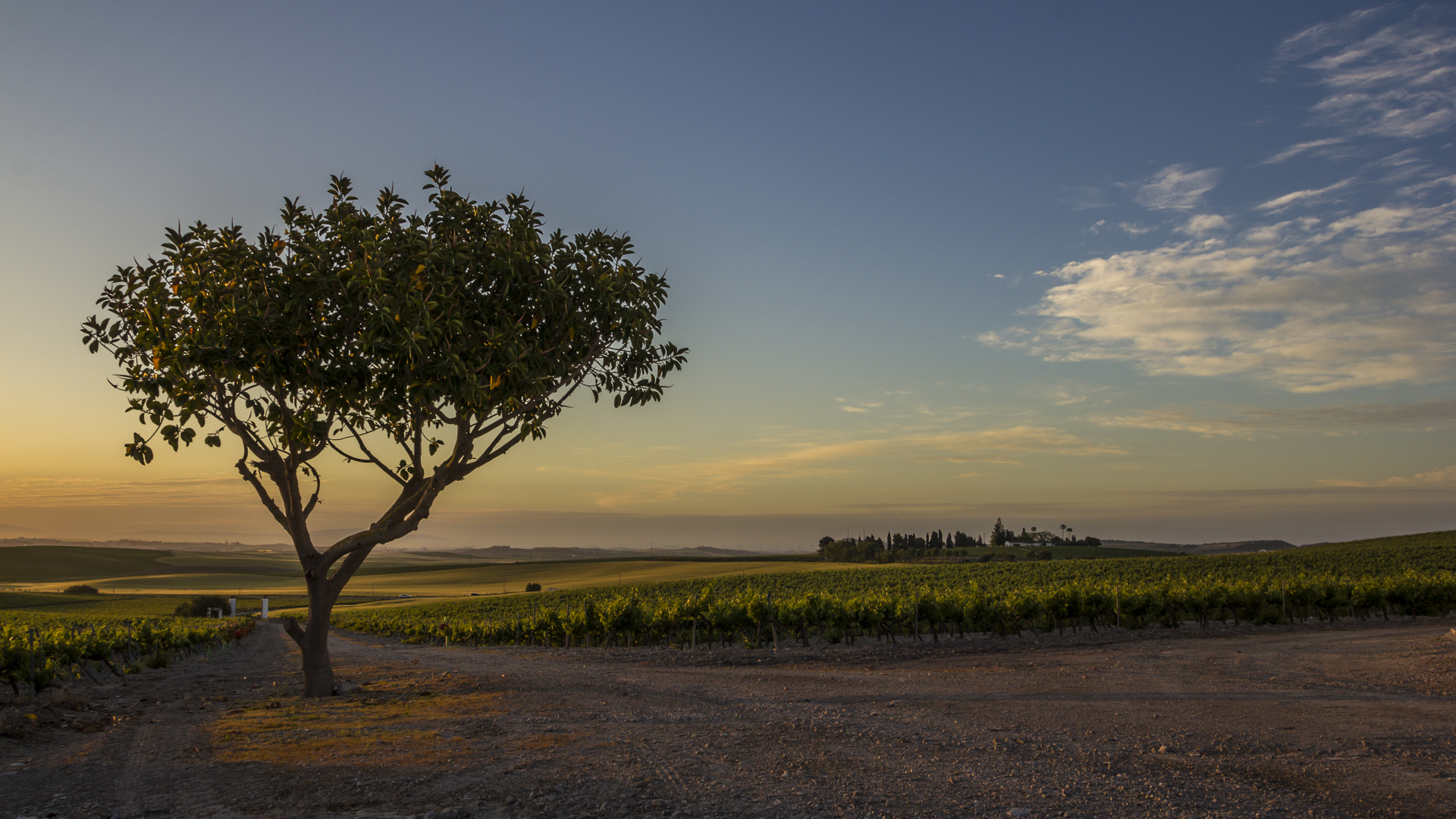
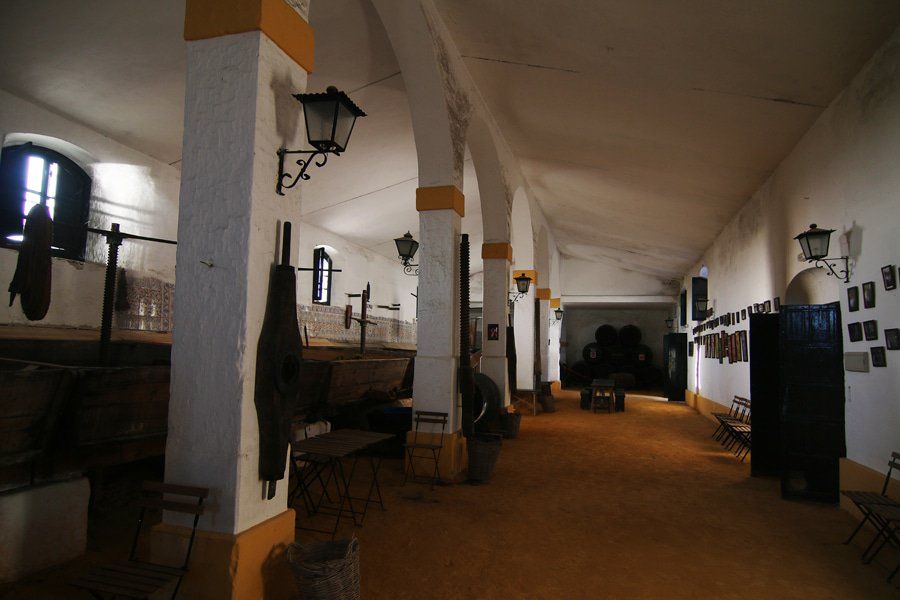
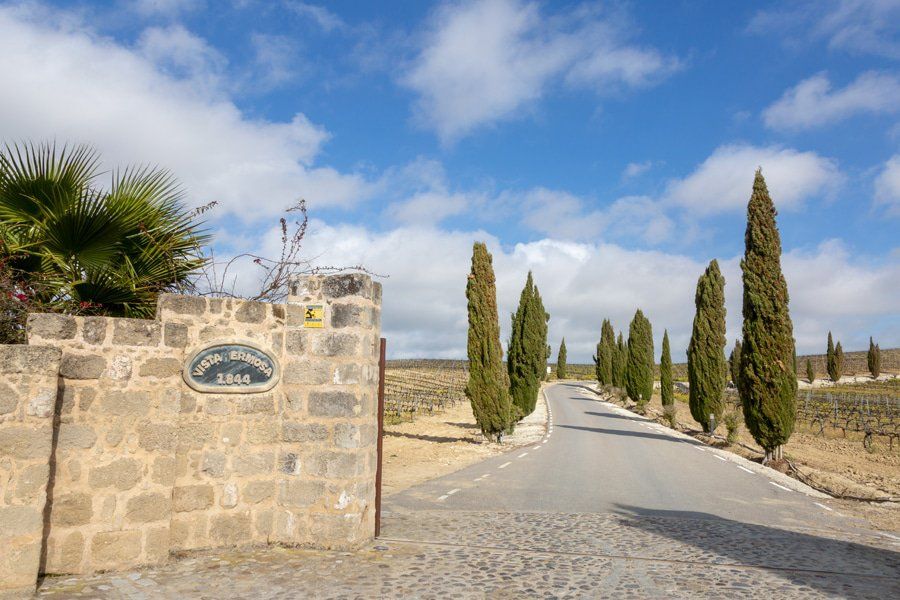
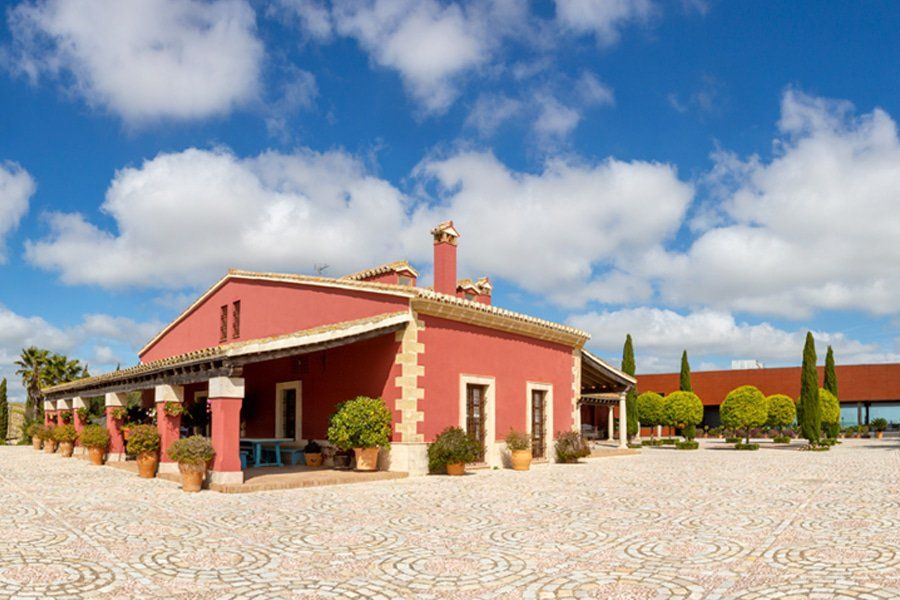
A 15-minute drive from the centre of Jerez, high in the rolling hills where palamino fino grows and flourishes for sherry, we find Bodegas Luis Pérez. On the beautiful estate from 1844 – restored with impressive architecture – Luis Pérez Rodrigues, professor-oenologist at the University of Cadíz, planted grape varieties from other regions in 2002, such as syrah, petit verdot, merlot, tempranillo and cabernet sauvignon. The combination of soil, climate, grapes and his expertise brought him success. So much success that his son Willy was able to fully pioneer his dream: bringing back the age-old, traditional way of making wine from Jerez de la Frontera. With native grape varieties such as tintilla de rota, palomino fino and pedro-ximénez.
The return of the vineyard in Jerez
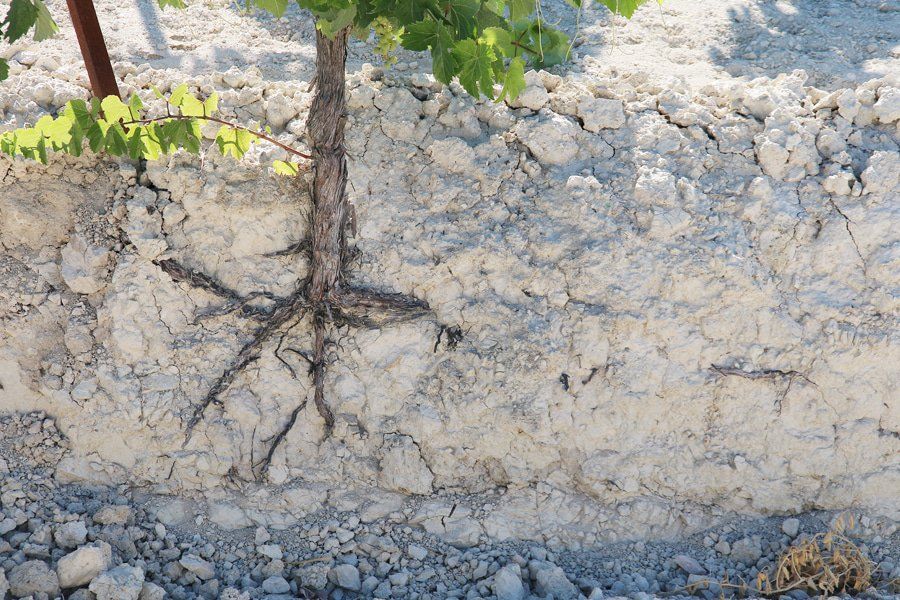
Willy’s first was the 2011 vintage, with 600 bottles of tintilla de rota. Since then, he has developed into one of the masters of the new way of making wine in Jerez. In 2013, he started vinifying sherry wines from specific vineyards: “Our soil consists of a unique mixture of limestone, clay and marl, with 30% limestone. The high altitude and the limited distance to the sea create a microclimate where the wind provides the necessary cooling and ventilation of the vineyard. The albariza soil in Jerez is not homogeneous, there are many varieties. Our bodega is therefore divided into three ‘pagos’.”
Beautiful red wines from tintilla de rota
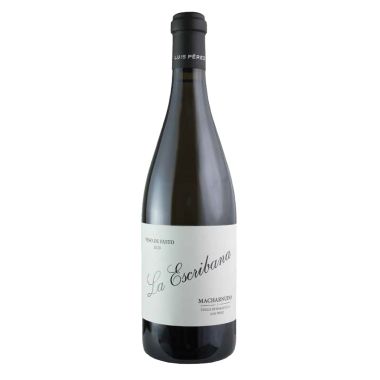
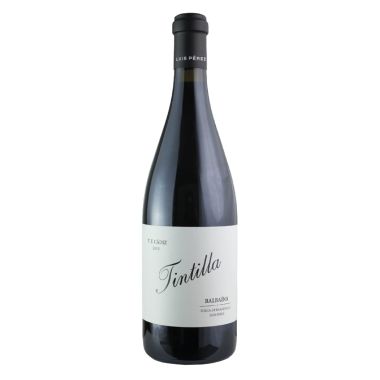
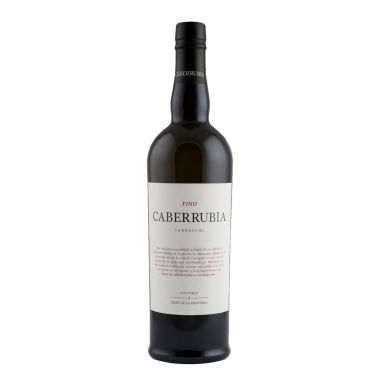
The El Calderín del Obispo vineyards in Balbaína Alta, planted with tintilla de rota (known in Rioja as graciano), are closest to the Atlantic Ocean, which makes for fresh, elegant red wines. However, Willy’s showpieces come from Carrascal, 20 km from the ocean, between Almocadén and Macharnudo Alto. It is one of the four best-rated vineyards in Jerez. Of the 60 hectares of albariza soil, 30 hectares are planted with 45-year-old palomino fino. The other half consists of other local grapes such as pedro-ximénez and tintilla de rota.
Palomino fino from Carrascal
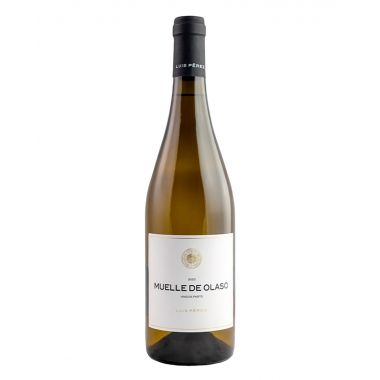
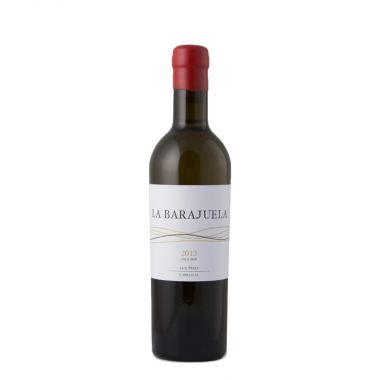
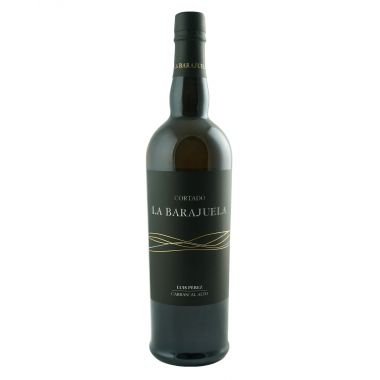
This is where the exciting white wine ‘El Muelle’ and the series ‘La Barajuela’ come from with an unfortified Fino, Willy Pérez’s most beautiful wine. Barajuela is a type of soil, an albariza variety, with an average amount of calcium carbonate, a slightly yellowish hue and a specific, laminated structure of different layers on top of each other. Nowadays, palomino grapes are picked when they reach around 12% potential alcohol, but in order to reach the legally required 15% alcohol without enrichment, Willy decided to harvest later, carefully selecting his grapes and leaving them in the sun for 24 to 36 hours. Pérez also fills the barrels more than the usual two-thirds for less flor influence and less evaporation of alcohol.
Successfully back to the 19th century
Willy Pérez wants to prove that palomino fino can be expressive and that the soil can speak, as it did in the 19th century. At that time, Jerez was known for making the most powerful white wines in Europe, by harvesting late and also drying out the palomino fino. Willy tries to return to the ideas of that time (away from the current methods in the Jerez region) and to strengthen the terroir but in a very elegant way. And he seems to succeed very well in that.